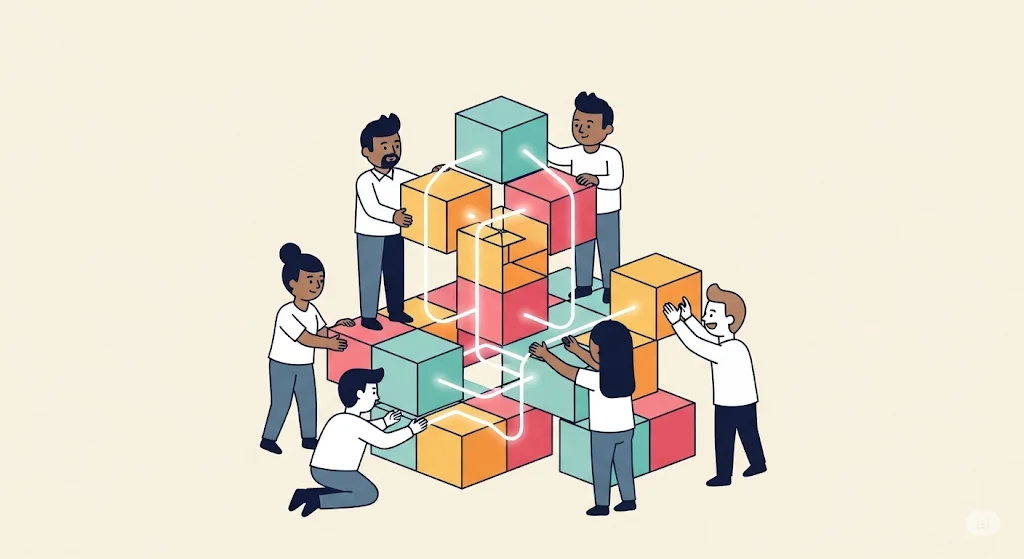
How Bitcoin Works
Imagine sending money to a friend in another country. Usually, you need a bank. The bank charges fees, takes days, and can freeze your account.
What if there was a way to send value like sending an email—instantly, globally, without any bank in the middle?
What is Bitcoin?
Bitcoin is digital money that doesn't need a bank. It is the first money in history owned by everyone who uses it, not by a government.
A Brief History
The Whitepaper
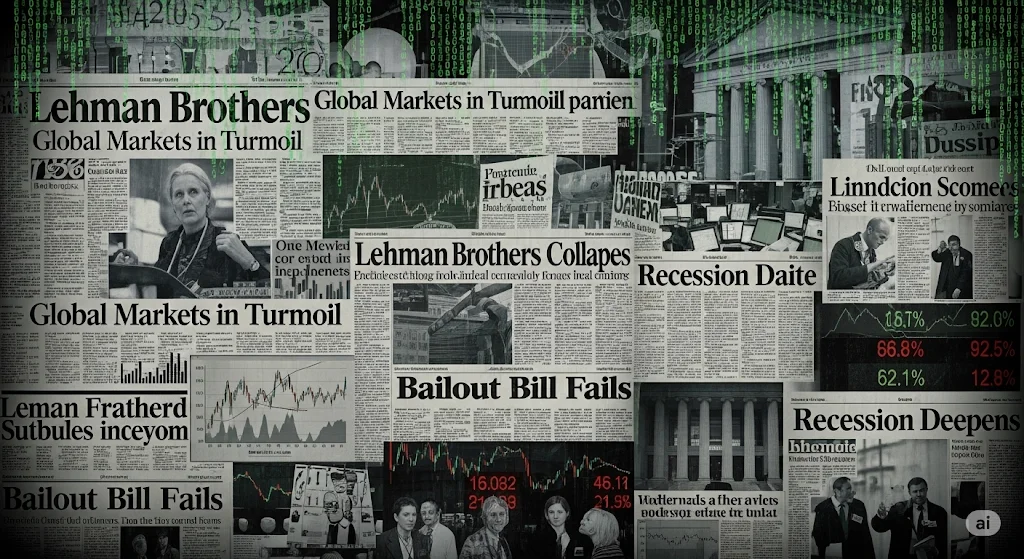
In response to the global financial crisis, a mysterious figure named Satoshi Nakamoto publishes the Bitcoin Whitepaper.
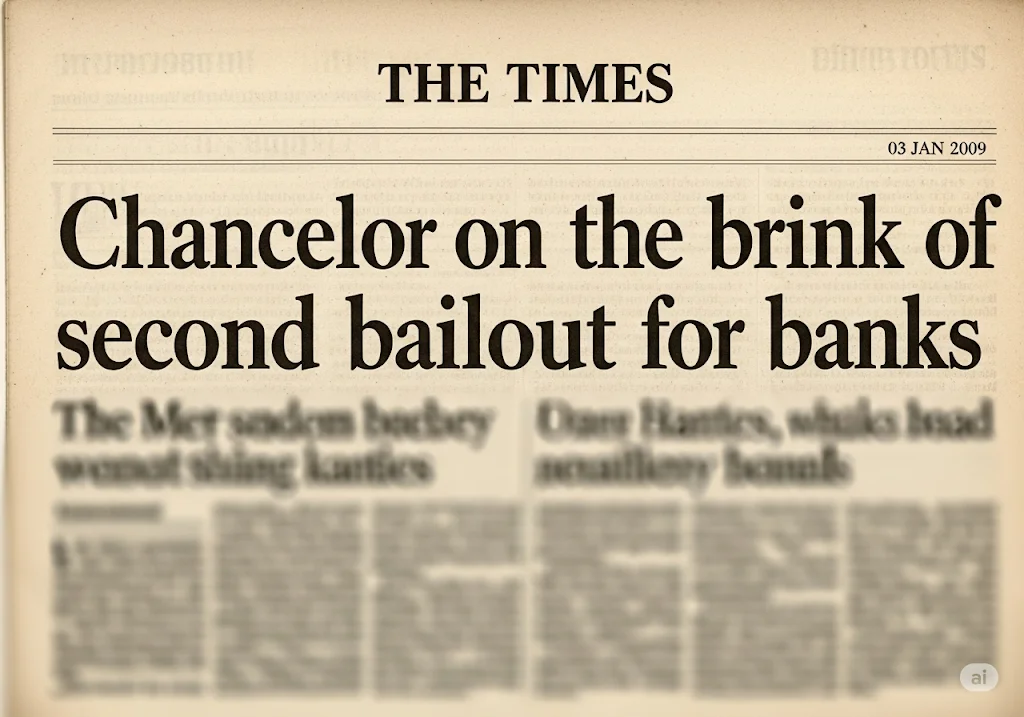
Genesis Block
The network goes live. Satoshi mines the first block (Block #0), embedding a headline about bank bailouts.
Pizza Day
A programmer pays 10,000 BTC for two pizzas. It was the first time Bitcoin was used to buy a physical good.

Concept Toolkit
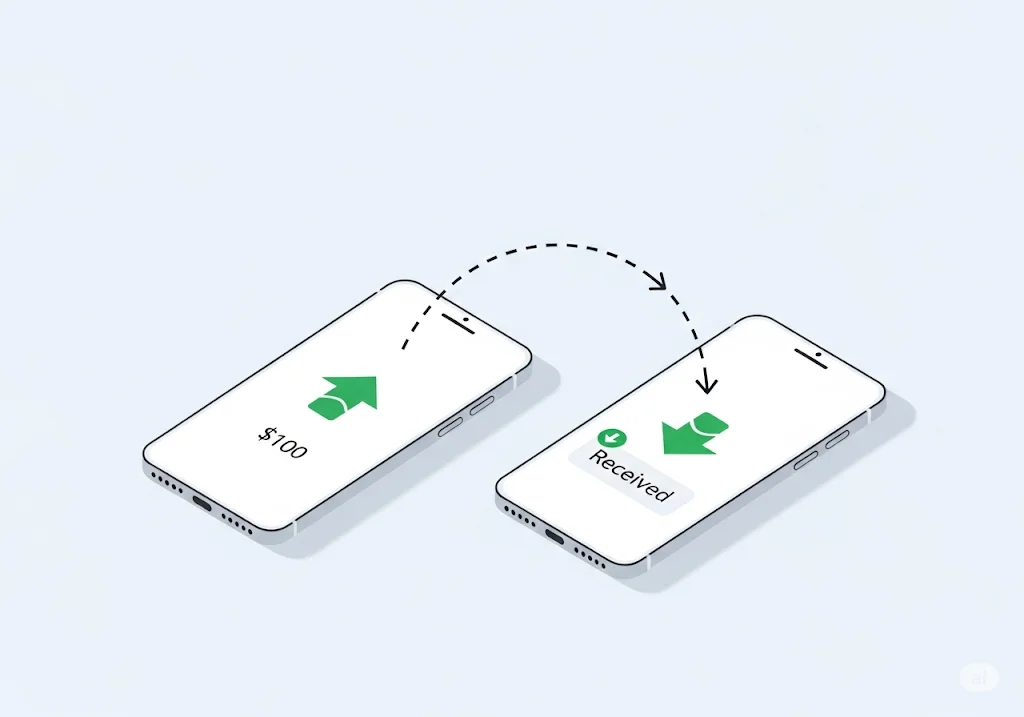
Transaction
A record of money moving from A to B. Example: 'Alice pays Bob 5 BTC'.
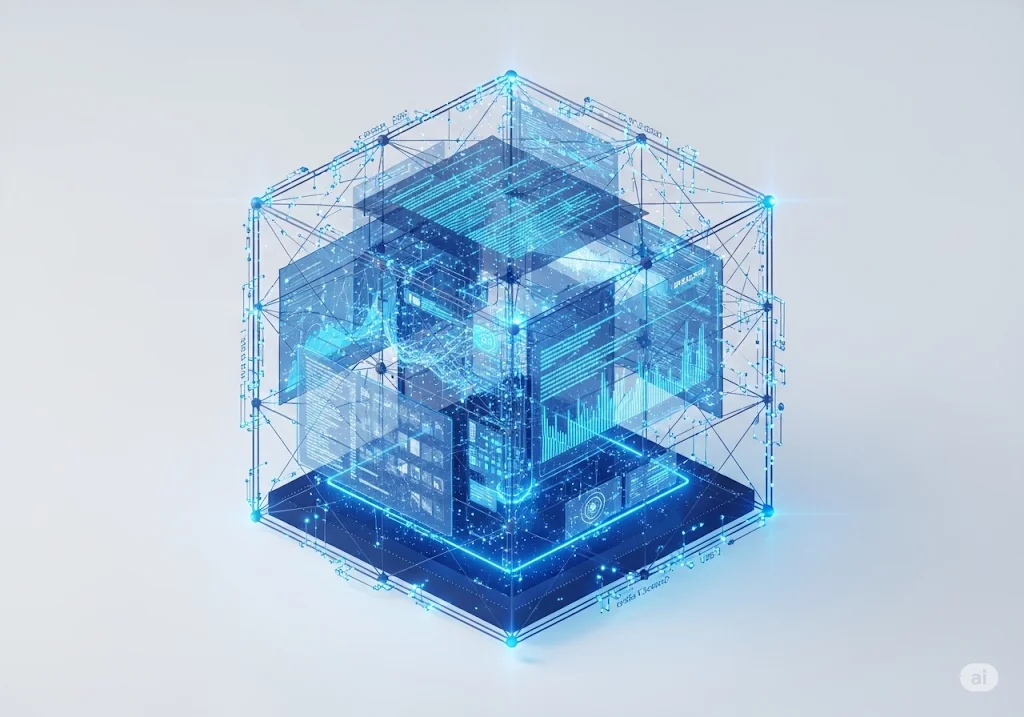
Block
A page in a notebook. It contains a group of recent transactions.
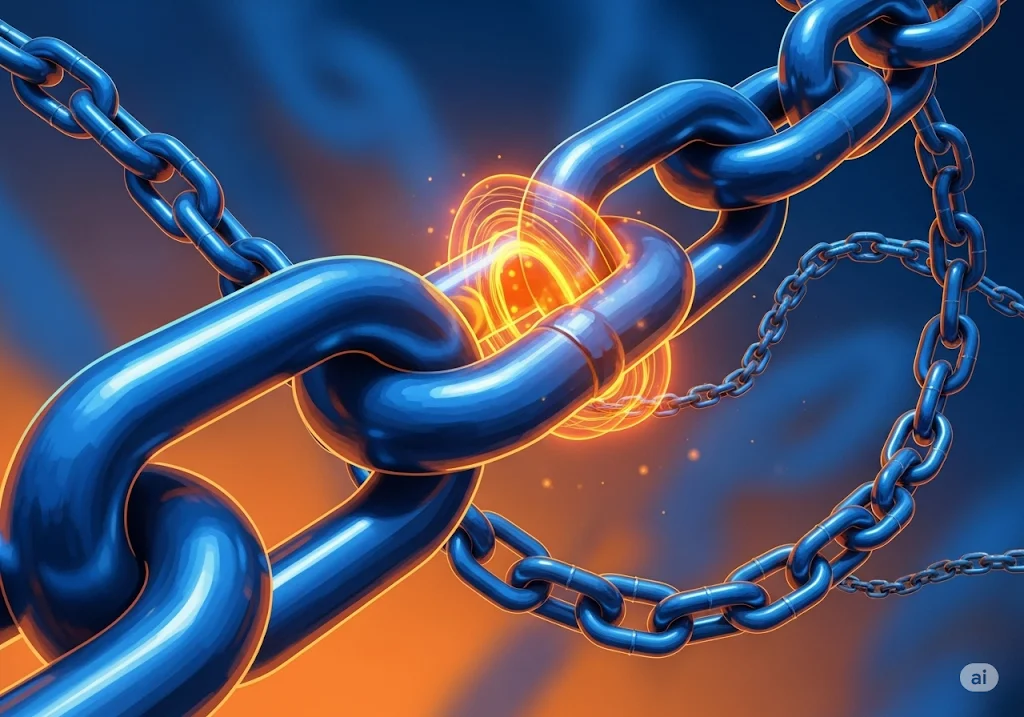
Chain
The binding of the notebook. It locks pages in a strict order.

Node
A computer running the Bitcoin software. It keeps a copy of the notebook.
The Shared Ledger
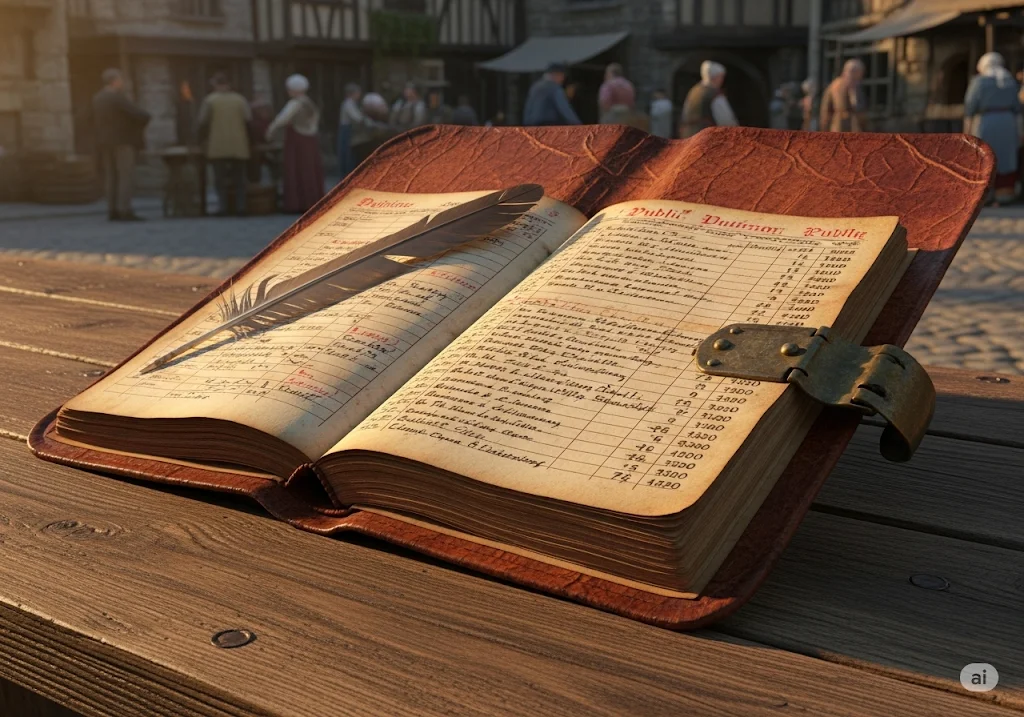
Think of a village where everyone writes in the same public notebook. Since everyone sees the same book, no one can cheat.
Interactive Ledger
The Problem of Trust
In digital files, it's easy to copy-paste. If I send you a photo, I still keep the photo. Money can't work like that. This is the 'Double Spending' problem.
videogame_asset Double Spend Simulation
Drag the coin to Bob. Then try to drag the SAME coin to Carol.
Proof of Work (Mining)
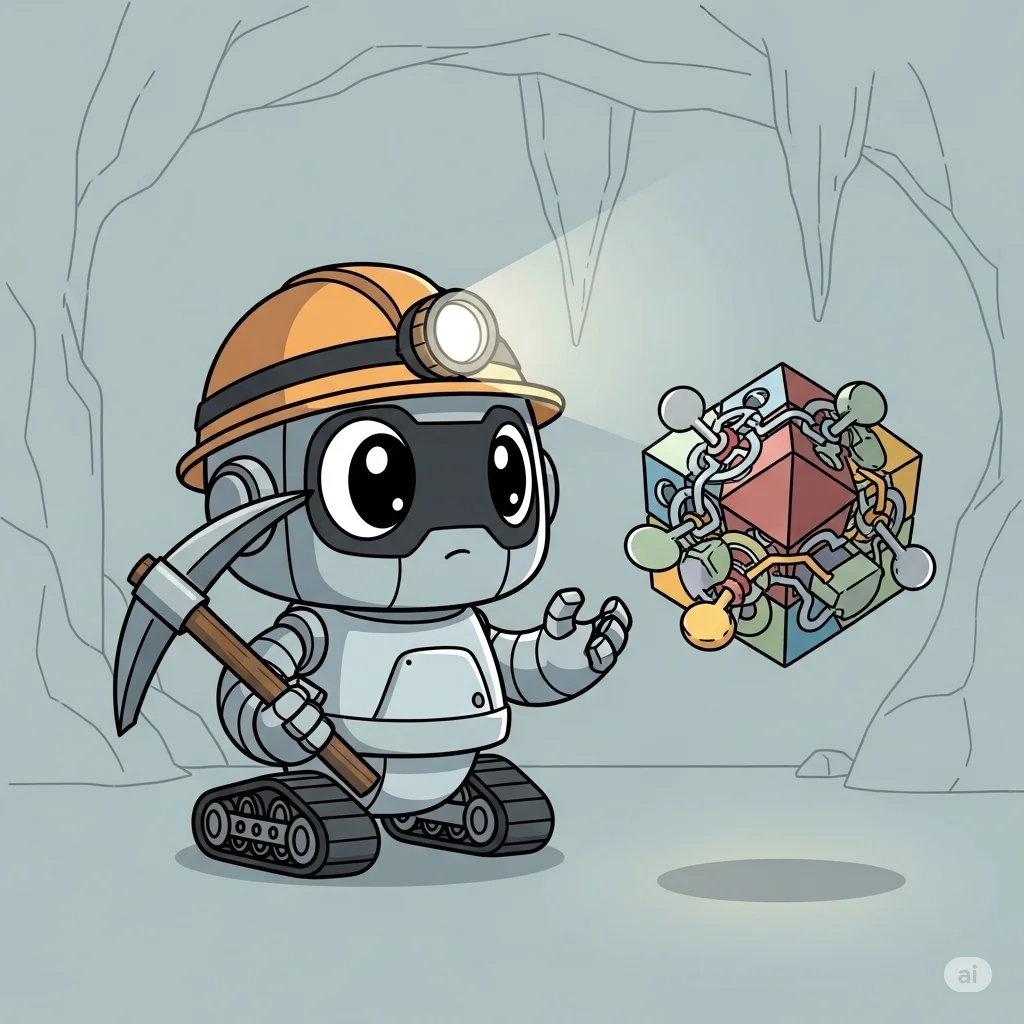
How do we decide who writes the next page? We use a lottery. Computers compete to solve a puzzle. The winner gets to write the page and earns Bitcoin.
Mining Simulator
The Digital Fingerprint (Hash)
A 'Hash' is a mathematical spell that turns any data into a unique string of characters. Change one comma in the data, and the hash changes completely.
Why it's Tamper-Proof
Blocks are linked. Block 2 contains the fingerprint of Block 1. If you change Block 1, its fingerprint changes, breaking the link to Block 2.
Try changing the text in Block #1 and watch the chain break (turn red).
Security & Myths
verified One Page Summary
- User broadcasts a transaction.
- Nodes (computers) receive it.
- Miners group transactions into a Block.
- Miners compete to solve a Puzzle (Proof of Work).
- The winner publishes the block.
- The network checks the solution.
- The block is chained to the previous one.
- The transaction is now confirmed.
- Everyone updates their ledger.
- The miner gets a reward.
🎉 You are now a Blockchain expert!